Field manual / 01 / New player field guide
CONTROL Resonant Getting Started — Guide
New to CONTROL, or coming back for Dylan's story? We start with the people and events worth knowing, then walk through the combat rhythm, movement basics and settings we would check in the first few hours.
What this guide helps you accomplish
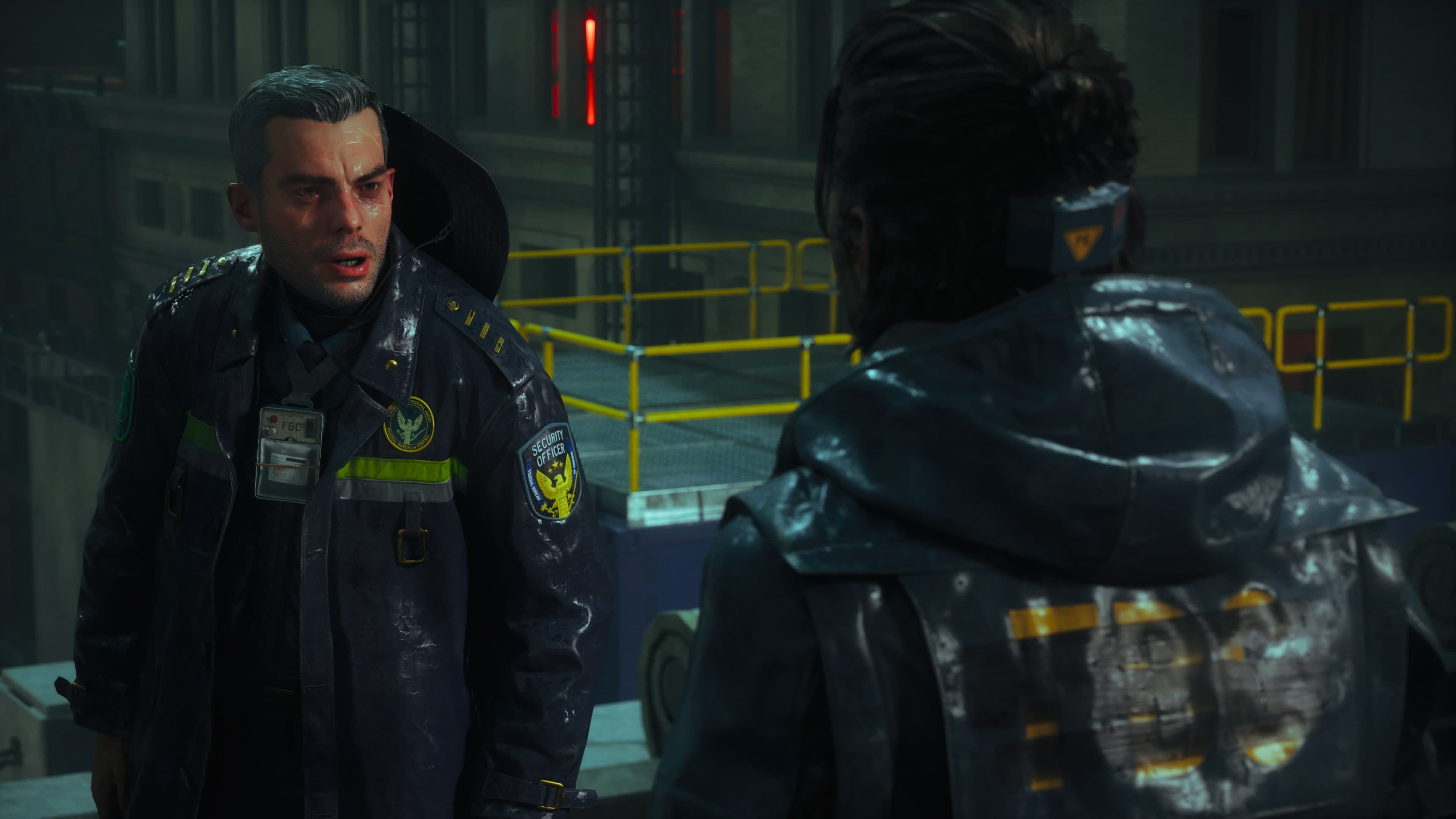
CONTROL Resonant is a single-player, melee-led action RPG starring Dylan Faden. We think you can start here without finishing CONTROL because the main menu includes a recap, though knowing Jesse, Dylan and the Federal Bureau makes the opening clearer. We break the Aberrant, Combat Abilities, Talents and Artifacts into separate systems, then show you which side activities or Assist Mode settings can solve the problem blocking you.
Start reading01 / Orientation
What kind of game is CONTROL Resonant?
This is the direct successor to CONTROL, but Dylan Faden takes the playable role instead of Jesse. The setting expands beyond the Oldest House into a paranaturally transformed Manhattan. Remedy describes an open-ended action RPG built around exploration, melee combat, supernatural abilities and player-shaped loadouts.
The campaign is single-player. Zoe De Vera is Dylan's FBC field contact, not a co-op partner. Remedy's developer FAQ describes the game as playable offline, although a storefront may still require installation, an initial download or account setup. Do not confuse Resonant with FBC: Firebreak, Remedy's separate co-operative game.
02 / Story
Do you need to play CONTROL first?
No. Remedy has presented Resonant as both a sequel and a new entry point, and a developer interview says the main menu includes a recap of CONTROL. The original game is still the best way to understand why Dylan and Jesse's relationship matters, what the Hiss did to the Bureau, and why the Oldest House is more than a location.
For a short, spoiler-light preparation, we would keep four facts in mind: Jesse became FBC Director; Dylan spent years confined by the Bureau; the Hiss crisis changed both siblings; and Jesse is missing when Dylan's new journey begins. We have not seen a reliable explanation for her absence yet, so we are treating trailer cuts as clues rather than answers.
| Person or place | Why it matters at the start | Further reading |
|---|---|---|
| Dylan Faden | The sole playable lead and Jesse's brother | Characters Wiki |
| Jesse Faden | Missing Director whose search drives Dylan | Characters Wiki |
| Zoe De Vera | FBC field agent in contact with Dylan | Characters Wiki |
| Oldest House | The Bureau's headquarters and the first game's key setting | World Wiki |
03 / Series transition
What changed from CONTROL to Resonant?
The most useful preparation is not a complete retelling of CONTROL. It is knowing which old assumptions to put aside. Jesse's investigation took players through the Oldest House with the Service Weapon and paranatural powers. Resonant follows Dylan into Manhattan, emphasizes the transforming melee Aberrant, and organizes exploration around distinct handcrafted Zones.
From everything Remedy has shown, the direction has changed without throwing away every familiar character, power or location. Dylan's Journey is the main campaign, World Quests are self-contained stories, and Combat Abilities, Aberrant Forms and Talents shape his build. We use the Gap for that build space; it is not an enemy stagger meter.
If you are returning from CONTROL, we would begin with the protagonist and combat rows below. If you are new to the series, start with the sibling and Bureau files, then learn the new systems. Both routes lead to the same first-session checklist without pretending we already have a finished launch-day walkthrough.
| Question | CONTROL (2019) | CONTROL Resonant |
|---|---|---|
| Who do you play? | Jesse Faden | Dylan Faden |
| Where is the focus? | The Oldest House | Handcrafted Manhattan Zones |
| What anchors combat? | Service Weapon gunplay and powers | Aberrant melee Forms and Combat Abilities |
| How is the route organized? | Jesse's investigation within the Bureau | Dylan's Journey plus optional World Quests |
| How do you shape a build? | Weapon and ability upgrades | Forms, Combat Abilities, Talents and Artifacts in the Gap |
04 / Before installing
Choose the right version for your setup
The digital and physical console copies have different release dates, and the PS5 Deluxe listing has a separate early-access offer. Check the edition and format you actually intend to buy; a SteelBook order does not grant digital early access.
PC requirements describe published hardware targets rather than measured performance on your machine. Use the PC checker to compare each component, then verify your regional store listing before buying. Steam Deck support is a separate question from final compatibility status or benchmark results.
05 / Systems
Learn the four parts of a build
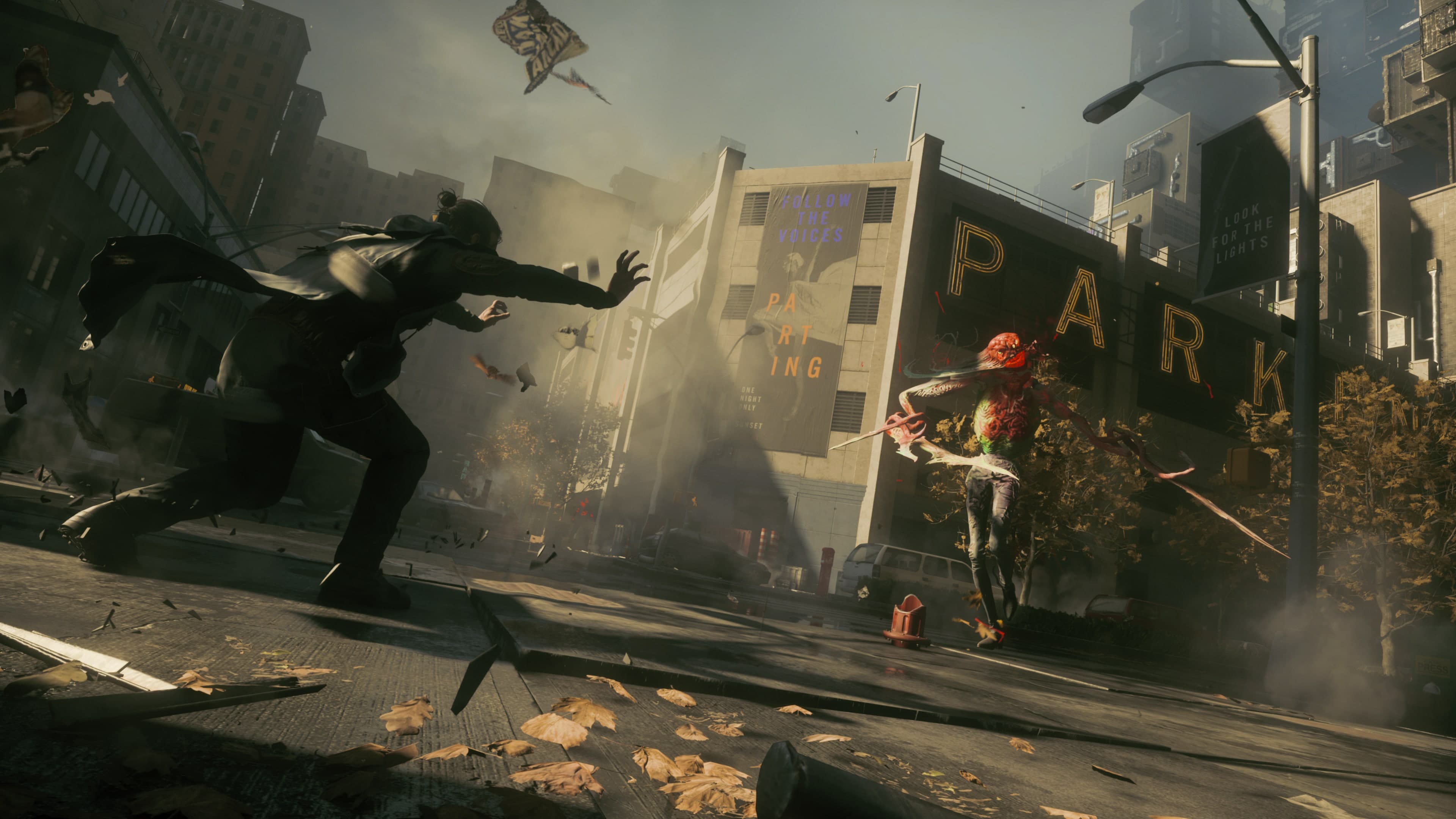
The Aberrant changes between melee Forms. Combat Abilities are supernatural actions connected to Resonant encounters. Talents alter Dylan's progression, and Artifacts provide passive effects. Treating all four as interchangeable 'weapons' makes an early build harder to understand.
The combat rhythm is to close distance with the Aberrant, restore Power through melee pressure, use an ability to control a threat, then build Falter until an execution becomes available. Executing an eligible normal enemy starts Dominance, briefly strengthening melee and making enemies defeated during that window a dependable source of health. Command and summon abilities—not Dominance—are the tools that add temporary allies. Learn what each system does before copying a supposed best build.
| System | Decision it answers | First check |
|---|---|---|
| Aberrant Forms | How do I attack at this range? | Speed, reach and crowd coverage |
| Combat Abilities | How do I spend power? | Control, defense or ranged pressure |
| Talents | What changes as I progress? | Requirements and opportunity cost |
| Artifacts | Which passive effect supports the plan? | Slot limit and effect conditions |
06 / Practical route
A sensible first-session checklist
This is a learning order, not an invented mission-by-mission walkthrough. Full-game coverage confirms that the opening teaches movement and melee in stages, while optional Jesse Quests add traversal tools and other side activities provide useful practice or progression.

- 01
Set your story baseline
Use the main-menu recap if you have not played CONTROL; avoid late-game character files until you want spoilers.
- 02
Test movement before optimizing
Practise dodge, double jump and air dash as they become available. Jesse Quests award traversal powers that can reopen routes you could not reach earlier.
- 03
Compare Forms by role
Try a fast close-range Form, a wider crowd option and a heavier attack rather than assuming the first choice must be permanent.
- 04
Notice what restores power
Watch the melee-to-ability rhythm before deciding whether a loadout lacks damage or simply runs out of resources.
- 05
Record optional routes
When a World Quest, Fault or Gravity Anomaly appears, note the region and required traversal instead of following an unverified 100% checklist.
07 / Accessibility
Use Assist Mode for the problem you actually have
Remedy has described separate controls for enemy aggression, projectile speed, dodge timing, incoming and outgoing damage, Falter, power recovery and melee targeting. Options also include high-impact assistance such as immortality and one-hit settings. They can be changed during play and Remedy says Assist Mode does not block trophies or achievements.
If an encounter feels unreadable, lower pressure before changing damage. If timing is the issue, adjust the dodge window. If you understand the pattern but cannot keep a resource cycle going, review power recovery and melee positioning. This is more useful than assuming one difficulty label will solve every type of friction.
Continue the investigation