Field manual / 02 / Aberrant build manual
CONTROL Resonant Combat & Builds — Guide
If your build feels weak, we would first ask why: are you missing openings, running out of power or struggling to close the distance? Once you know the problem, we can help you change the Form, ability or passive effect that actually addresses it.
What this guide helps you accomplish
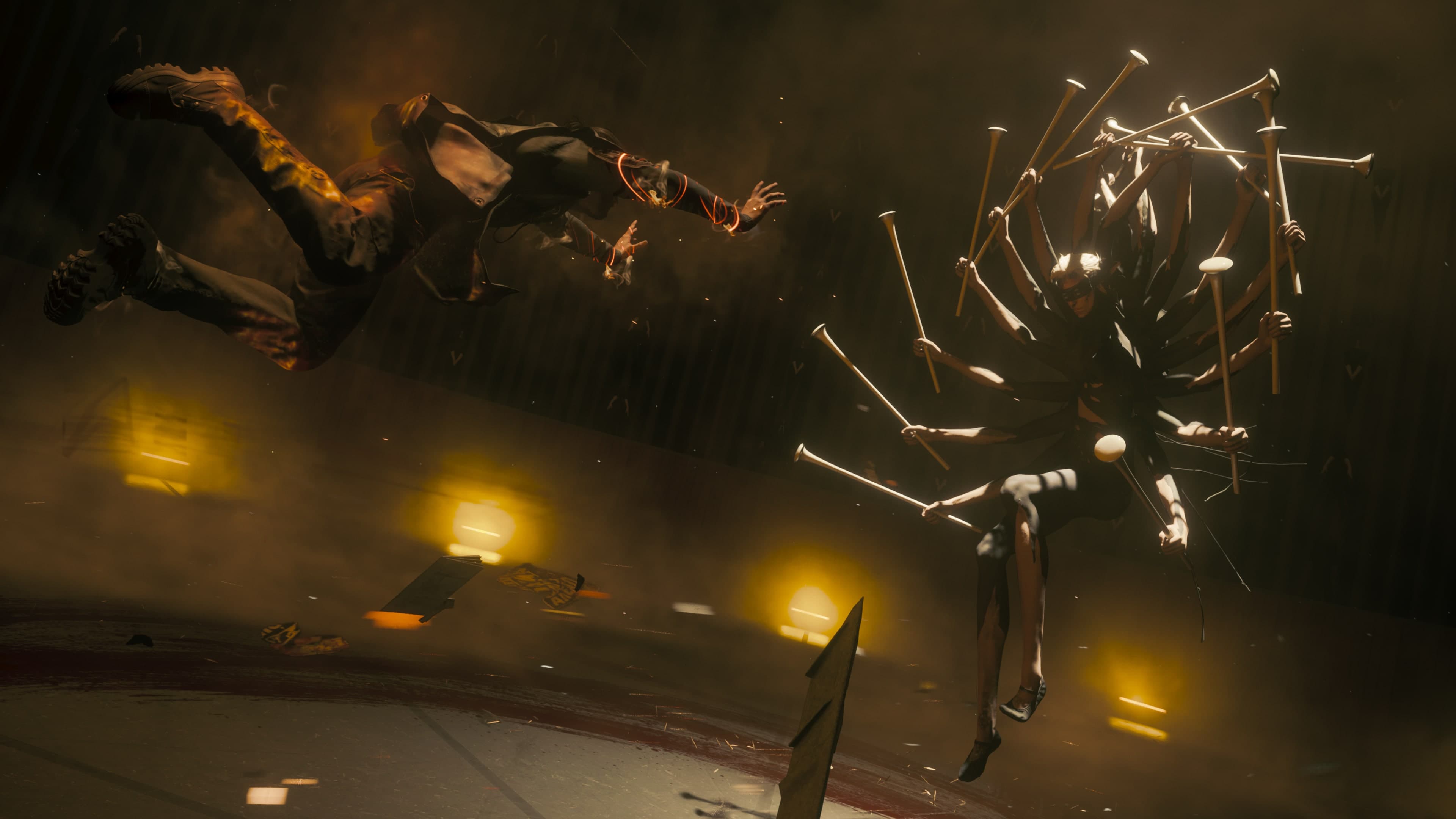
We build around the problem in front of us, not an unexplained tier list. Pick an Aberrant Form for its range and target pattern, add a Combat Ability for control or defense, then use Talents and Artifacts to reinforce the melee-to-Power loop. Flurry, Slash, Slice, Crush, Drill and Extend are the six named early choices; the reviews we compared support several combinations, not one universal best build.
Start reading01 / The rule
How does the melee-to-power loop work?
The combat footage puts the Aberrant at the center: melee pressure restores the resource for supernatural actions, abilities interrupt or protect at range, and Falter creates the next opening. In our view, a build is incomplete if it names high-damage moves but cannot keep that loop moving.
We judge a loadout with four questions: can it reach the target, recover Power without unsafe hits, break Falter in time, and create an execution window when health is low? Those questions are more useful than pretending the available review builds give us a universal DPS ranking.
02 / Weapon
Which Aberrant Form fits your fight?
We found three early Primary Forms and three Secondary Forms in the Xbox hands-on. Those labels describe loadout roles, not six separate weapons to collect, and Combo Enders add another layer. The table below is our read of the shown tactical roles, not a final tier list.
| Form | Preview role | Use it when |
|---|---|---|
| Flurry | Fast paired blades, close range | You can stay near one target and want short attack windows |
| Slash | Wide scythe-like sweeps | Several enemies occupy the same space |
| Slice | Heavy axe-like single-target hits | You can create a clear opening against one threat |
| Crush | Slow, large mallet | You can trade speed for a heavy impact |
| Drill | Sustained directed pressure | You can keep a target lined up |
| Extend | Whip-like chain staff with reach | You need more space between Dylan and the target |
03 / Power
Add a Combat Ability that solves a gap
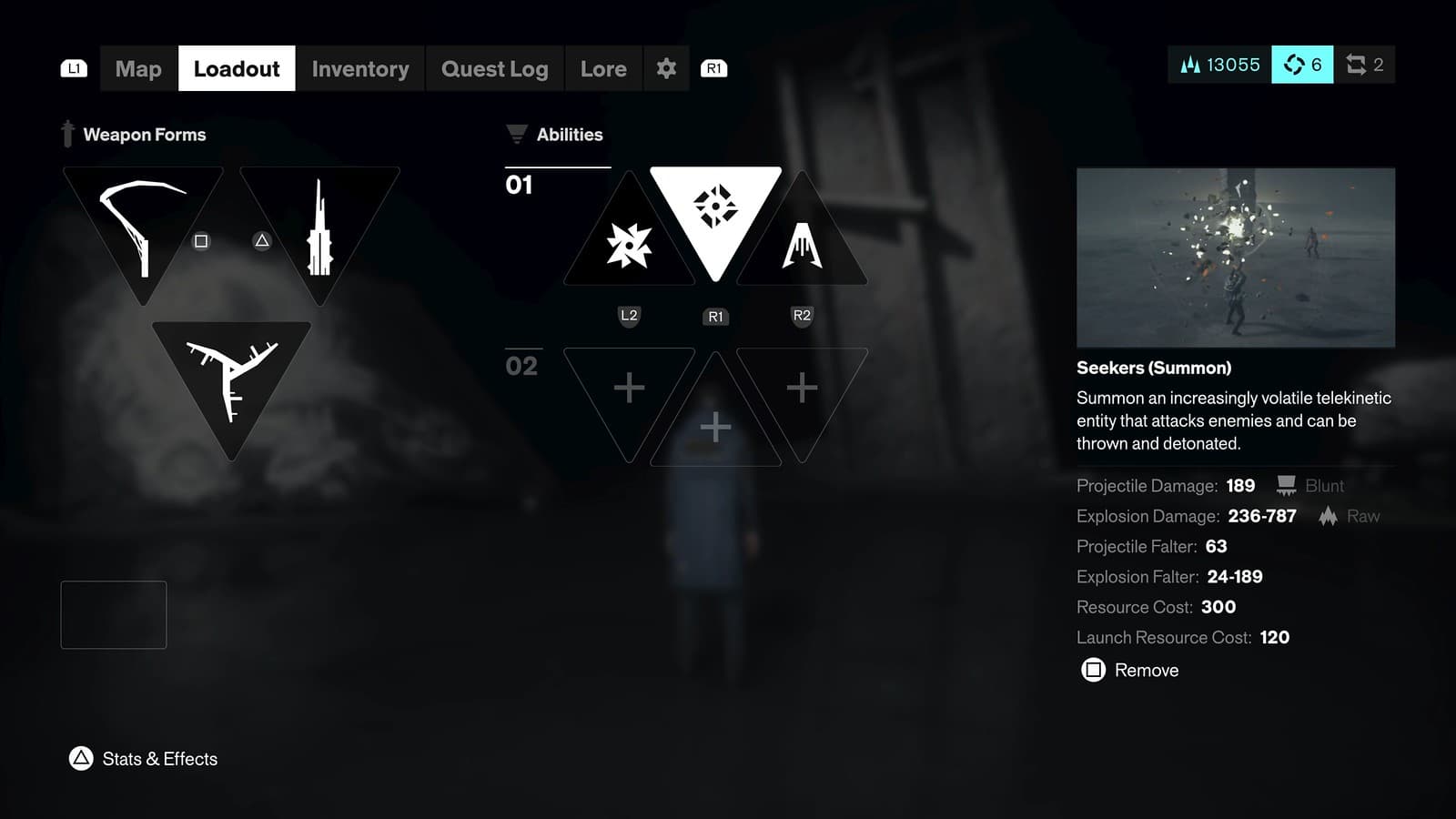
Major Resonants are tied to Combat Ability rewards, and some first-run choices branch. In the first-party preview, Barrage launches projectiles, Seekers act as mobile summons that can be thrown or detonated, and Shield provides defense that can become an offensive dash. These are observed choices, not a full launch ability list.
We would choose the ability that covers what the Aberrant Form cannot. A close-range setup may need an answer to distant pressure, a slower Form may need protection while closing, and a crowd-focused setup may need to isolate one dangerous target. We are not assuming every ability fits at once, or that a previewed choice stays irreversible in the released game.
04 / Vulnerable enemies
How do Execution and Dominance work after Falter breaks?
Falter is the opening, not the reward by itself. Against an eligible normal enemy, an execution starts Dominance. That short state raises Dylan's melee damage and makes enemies defeated during the window a dependable source of health, so the next target matters as much as the execution itself.
Bosses use Falter differently: breaking it creates a staggered damage window instead of the normal execution sequence. If crowd pressure is the larger problem, use a Command or summon ability to add an ally; Dominance itself does not convert an enemy.
| Combat state | Immediate value | Player check |
|---|---|---|
| Execution | Removes an eligible normal enemy and starts Dominance | Choose the next target before committing to the animation |
| Dominance | Temporary melee boost and dependable health drops | Spend the short window on a dangerous target without losing access to weaker enemies |
| Boss Falter | Staggered damage window | Use the safe opening; do not expect a normal-enemy execution |
05 / Progression
Spend Talents against a real bottleneck
Zone activities feed progression into Talents. We can see Primary, Secondary and Combo Ender branches plus a Respec All control, but the previews do not give us every launch cost or recovery rule. We would record why we bought a node instead of treating a preview tree as a solved final build.
If you struggle to reach enemies, test movement or a longer Form before spending only on damage. If fights stall after power runs out, examine the melee loop. If one boss move ends every attempt, survivability and Assist Mode may matter more than another attack node.
06 / Passive layer
Fit Artifacts to the build, not the other way around
Artifacts are passive modifiers made from Untapped Artifacts in the Gap. The published first-run loadout has three equipped slots, with a fourth in New Game Plus. A named pre-order or Deluxe Artifact is not proof that a particular effect is essential to beat the campaign.
Read the condition on each effect. A large bonus you rarely trigger can be worse than a modest effect that supports your normal rhythm. We do not have reliable final rolls, crafting rates, or best-in-slot values yet, so we are comparing decisions rather than inventing an item ranking.
06 / Field test
Test the loadout against different threats
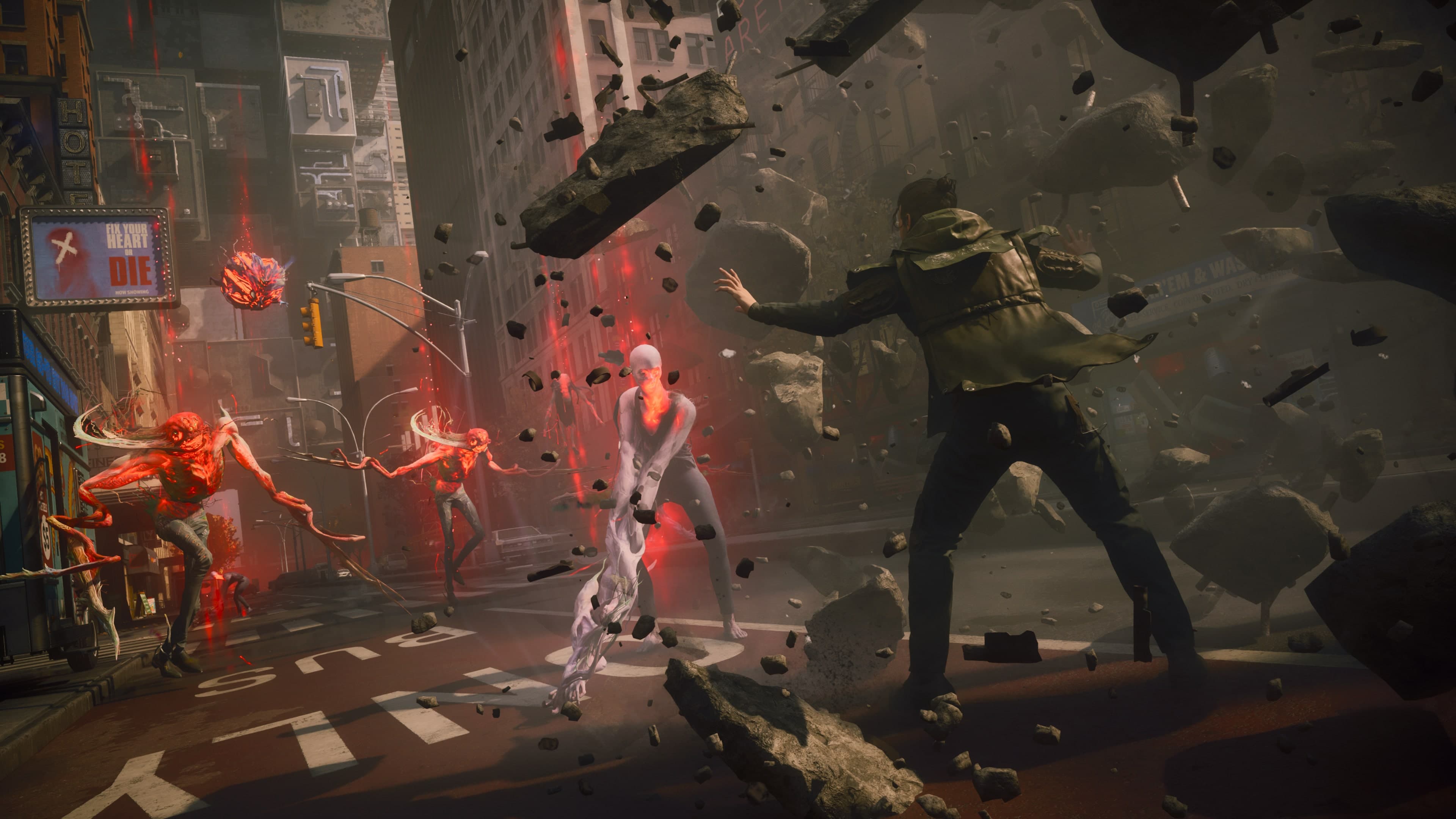
The Hiss and Mold are returning threats, while Resonants are major encounters linked to power progression. A summon, a faction and a named boss are different categories; a build that handles one preview arena may not answer another threat. Use a simple test: one target, a group, a ranged attacker and a hazard-heavy encounter.
Watch whether the Form reaches safely, whether your chosen ability controls the most dangerous threat, and whether the setup recovers after a failed dodge. Record what happened and the platform or build version. That evidence is more useful than calling an untested preview combination 'meta.'
07 / Defense
Dodge first; do not plan around a parry
Remedy has said Resonant does not use a conventional parry mechanic. The demonstrated defense rhythm relies on movement, dodge timing, positioning and supernatural tools. A Shield ability is not the same thing as a universal timed parry.
When a fight feels unfair, isolate the cause before changing the whole build. Repeated projectile hits call for spacing or projectile-speed adjustment; missed timing calls for dodge-window practice or Assist Mode; running out of power calls for a safer melee recovery route.
| What keeps ending the attempt? | Check in the fight | Adjustment to test |
|---|---|---|
| Projectiles before you close in | Where is the nearest safe approach, and when does the attacker commit? | Change spacing or test Assist Mode projectile speed; do not assume a damage-only build fixes the approach. |
| A missed dodge | Is the problem the attack cue or the timing window? | Practise the cue, then adjust the Perfect Dodge Window if timing remains the barrier. |
| No power for an ability | Can you safely land melee hits between enemy attacks? | Shorten the attack string and use melee to restore Combat Ability resource rather than waiting for a passive refill. |
| Arena floor or moving hazard | Which part of the arena remains usable while the attack resolves? | Preserve an exit path before committing to a Combo Ender; the Central Resonant preview demonstrates why the floor matters. |
08 / Second run
What changes for builds in New Game Plus?
Remedy says combat progression carries forward while story-gated traversal resets. New Game Plus adds Talent possibilities and a fourth Artifact slot, and it can open combinations around earlier ability choices. This creates space for a broader build, not a guarantee that every area is immediately reachable.
Before starting a second run, note which parts of your setup came from combat progression and which came from a story unlock. Keep a draft of the Forms, Abilities and Artifacts you want to compare. Wait for retail verification before assuming an exact reset list, reward route or boss drop.
Continue the investigation